What’s it all about, Alfie?

An outdated song-movie reference, but truly, what IS it all about?

Followers. Friends. Connections.

I have them, I value many… some not so much. I’ve made new friends via twitter and Facebook. It is a time-consumer, the internet is, that’s for sure but I’ll gladly put in the time if there is a pay-off.

And if the pay-off is simply getting to know a few more cool people on the planet? I’m in.

But…

What do the figures mean? What is helpful to a writer? What does an editor or a literary agent or a publisher really care about beyond the story?

Build your base, countless consultants with extremely white teeth and button-down collars proclaim.

I’d be glad to know about the Malcolm points that magically tip things in my favour and take my story from “promising” to “compelling” or from “not a good fit for us right now” to “we are goddamn-freaking-mind-blown to have you on board, you massive rock star in a blue plaid shirt!” Or words to that effect.

At the same time, I have my own disclaimers. I care about working with people who like me and whom I enjoy — I feel like I’ve earned that privilege and so my journey up & down the rocky, steep, and sometimes treacherous fiction trail is among friends and pleasant, fun people. Sure, they’re skilled and sharp and they gotta be smart. Hard-working and honest; of course, but they also must be just plain old nice. Share a deserted island with nice. Two-hole outhouse nice. (Okay — no one is that nice.)

Anyway, please tell me… what’s it all about?

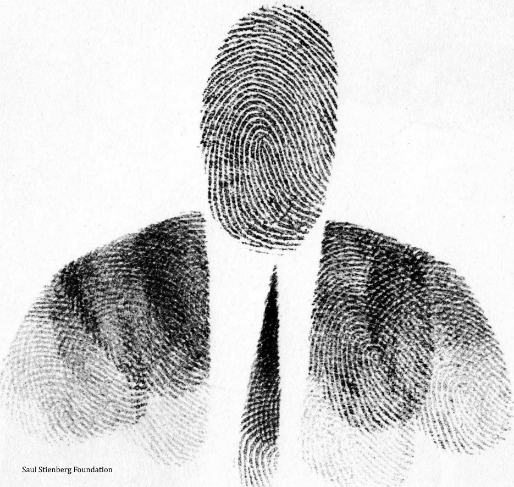
Twitter = 4,484 followers @Mitchell_Toews (See my mapped follower results in the image above.)

Facebook = 234 friends https://www.facebook.com/mitch.toews

LinkedIn = 785 connections https://www.linkedin.com/in/mitchtoews/

Goodreads = 7 followers and 165 friends https://www.goodreads.com/author/show/18450919.Mitchell_Toews

Mitchellaneous.com blog = 148 subscribers https://mitchellaneous.com/

See Change

“Can a sixty-three-year-old aufjefollna Mennonite living next to a lake in the boreal be part of change in the worldwide artistic landscape?”

Sure. In a small way, why the Mitchell not?

I’m quite sure some of the change champions featured in this article would agree:

12 Leaders Who Are Shaping the Next Generation of Artists

http://time.com/longform/art-leaders-next-generation/

I found this piece inspiring, even for a schnuddanäse like me.

I’m four years into a smashmouth experiment — my longtime dream to write fiction. To be published and to leave something good behind. To ask some interesting questions. All that stuff that sounds like a lot of fluff and horseshit, but is in fact, as tough it comes.

Chris Jackson

Publisher and editor in chief of One World, a Penguin Random House imprint

“But his goal is not to acquire any book by a writer from a marginalized background for diversity’s sake alone. ‘The idea that the imprint is committed to diversity is kind of absurd,’ Jackson says. ‘We want to reflect the world we live in.’ The imprint allows writers to tell subversive stories in an authentic way, without what he calls ‘white filtering,’ or couching stories in ways that feel comfortable or familiar to white readers.”

This is a helpful communication for me.

I am a grizzled old white guy, writing about real life in small towns, times bygone and present day, the northern forest, basketball and baseball, bruised knuckles, and Mennonite themes. While I personally have not benefitted directly from the near past’s traditional preponderance of white men in literary fiction, I undoubtedly benefitted in many ways in other parts of my life in Canadian and American society. I have a legacy of privilege. So, I don’t feel I can or should complain—at all—about other cohorts like minorities or women who, these days, might get a small advantage for not being a white guy.

Jackson’s clear call to, “…reflect the world we live in,” explains what has been a difficult and highly coded part of lit fic for me. I take this editor’s message to mean that I am not to be excluded, I just have to share. Proportionately, or even a little less, and accept the new status quo with some grace.

I believe I can do that, in fact, that’s just what I want to do. Thank you, Chris Jackson.

I also find clarity in his comment about “white filtering”. I know this too well. While I don’t “white filter”, per se, I sure as H-E-double-hockey-sticks know how to structure a story to appeal to conservatives, especially my Mennonite brethren. I also know how to pimp up a story to fit more liberal (my own true bearing) perspectives. Horses for courses, but not for literary honesty.

To engage in this posturing is specious at worst, unnecessary at best. My charge as an artist is to invest my work with honesty and courage, not to try to predict the audience reaction and pander my story. No filtering, of any colour or creed.

Sounds easy, but it ain’t. We writers want to be liked. But, again, Mr. Jackson’s leadership is helpful to me. Maybe I’ll be liked as one of the new age of subversive Mennonite authors writing, “in an authentic way” and without parsing readers by pew, rank, and political or social geist.

* * *

I hope you enjoy the article, I sure as hell did!


Place and Time

foc flannery place and time quote only

Ah, eternity.

My stories—and everyone else’s—spring from life. Life lived, life observed, life imagined. Life reconstructed.

A vital part of each story—and each life—is place and time. Truths from one era or one location or one moment in a given journey alter and define the future.

Driven by my own curiosity, here is a roll-call of Place, Time, and basic protagonist context from my stories:

i — “Encountered on the Shore” A university student makes an unsettling discovery in downtown Winnipeg, in the fall of 1973.

ii — “A Vile Insinuation” During the summer following, the main character from “Encountered on the Shore” considers fate and blessings at a baseball tournament in Vita, Manitoba, near the US border.

iii — “Without Reason” Now retired, the MC from “Encountered” and “Vile”, is diagnosed with cancer and he considers his plight and that of others like him. Set in his small Mennonite prairie hometown, current day.

i — “Zero to Sixty” A retired man is attacked, near Christmas in Chilliwack, BC, current day.

ii — “The Margin of the River” and the audio except, “Wide Winter River” The MC from “Zero to Sixty” considers what happened the day before and sees first hand the inequity and sorrow that is built into life. All life.

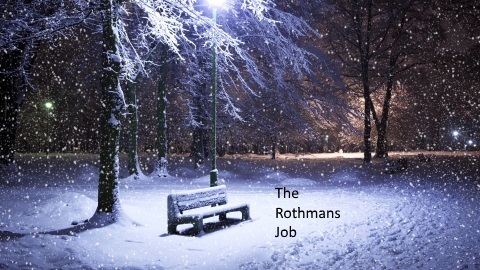
“The Rothmans Job” An odd couple set out on a dubious nighttime caper during a fierce winter blizzard in Winnipeg, during the 1970s.

“South of Oromocto Depths” A teenage boy gets into a foolish skirmish with his father on the Victoria Day long weekend in 1971 New Brunswick.

 “Nothing to Lose” A former hockey player looks back on his life and his regrets in rural Manitoba during the dusty heat of summer, in the Sixties.

“Heavy Artillery” A young baseball fan in 1962 becomes embroiled in adult suspicion and prejudice in a small prairie town — predominantly Mennonite. (The imaginary, recurrent town of “Hartplatz, Manitoba”.)

“A Fisherman’s Story” In 1970, on the Mexican Pacific coast, an elderly woman and her young daughter are dealt an unfair hand. (P.S. — the prequel and the sequel to this story appear in the trilogy “The Bottom of the Sky”. See link below.)

“Winter Eve in Walker Creek Park” A trio of females on a wintery night in St. Catherines, Ontario, near Christmastime, current day.

“Breezy and the Six-Pack Sneaker” A rainy, beery night in Hartplatz in the Sixties is the scene for a tangled yarn of deception.

“The Fifty Dollar Sewing Machine” A straight-laced Mennonite husband and wife take on danger in a dark Winnipeg alley in 1934. (Rerun on Literally Stories, Feb 17.)

“Frozen Tag” A man encounters a strange reprise from his past (at the Minneapolis Athletic Club in 1980) in the Chilliwack Leisure Centre, current day.

“The Business of Saving Souls”  A youth pastor in the fictitious city of Tribune, in the northern US Midwest meets challenges in the sanctuary of a gleaming megachurch, current day.

“The Preacher and His Wife” Palace intrigue, Harplatz style, throws a family into an untoward uproar in the 1960s.

“I am Otter” A shunned congregant discusses culture, power, and enfranchisement with a stranger near a lake in Manitoba, current day.

“The Beefeater and the Donnybrook”  A mild-mannered Halifax, NS tourist is mistaken and mistook in drizzly London, current day.

“The Log Boom” Poignant points of view — a father, son, and grandfather in the Lower Mainland of BC, current day.

“The Peacemongers” War, bullies and knuckle justice from the perspective of a boy in Hartplatz, circa 1965.

“Fairchild, McGowan and the Detective” Recalling employment, both the good and the bad in Hartplatz and Winnipeg, 1970-80.

“Graperoo” A piece of Graperoo bubblegum experiences the four seasons in rural Manitoba in the Sixties.

“So Are They All” It’s September 1961 and a young boy receives an education in loyalty and courage in his grandmother’s country raspberry patch.

“The Seven Songs” A middle-aged Canadian man meets a local contemporary at a resort in Mexico, current day.

“Fall From Grace” A boy gets stuck in a fraught adventure and learns about his father through it in the heat of a prairie summer in Hartplatz, 1963.

“Away Game” A 50-something man meets with an older family member at the side of a dreamy, summery lake in Manitoba’s boreal forest, current day.

“In the Dim Light Beyond the Fence” The reader travels back into Canadian small-town hardball with the MC, reliving a fateful doubleheader from the Fifties.

“City Lights” A small-town “up-and-comer” gets in over his head in Toronto, current day.

“Groota Pieter” Spring softball in small-town Mennonite Manitoba is described, from the Sixties to current day.

“Sweet Caporal at Dawn” On a moody Manitoba morning near a spring lake, a youngster and an older confederate fish for pickerel during the mid-Seventies.

“The Bottom of the Sky” A trilogy that follows a “pinche” cabin-boy and the ship’s captain on a fishing charter boat from 1955 Acapulco to the future in a fishing village in the Seventies. (P.S. – If you’re inclined, give this story a read and tell me if you think it could be adapted into a screenplay. I see it in flickering snatches of film in my head and just wonder if that occurs to anyone else. If you’re a screenwriter or in film, I’d love an opinion — tough love included. —mjt)

“Shade Tree Haven” An adult remembers more than he cares to as he thinks back to summers at a favourite swimming pool in the early 1960s.

“The Narrowing” A sensitive boy and his straight-ahead grandfather go through a harrowing experience in the Manitoba wilds, current day. An important secondary character in Abbotsford, BC is part of the story.

“The Phage Match” In a surreal radio broadcast from somewhere in Canada, current day, the evils of drug addiction are the backdrop for some strange characters.

“Died Rich” A high school freshman in a frigid southern Manitoba winter in 1961 struggles to endure.

“Concealment” A fledgling Manitoba business traveller gets more than he expects on a springtime trip to the Atlanta Zoo in the 1980s.

“Mulholland & Hardbar” (Novel WIP) A troubled youth experiences the four seasons in the Canadian Shield: love, friendship, deceit, and violence. 1972.

Drama: From the Greek, “to do” or “to act”

Interview with a Mennonite Imposter

http://bit.ly/MennoTOEWSba

Writer interviews can be kinda boring. This is a little more in the Mennonite wiseguy range of the register, but still—you know—predictably boring. And great fun to do, especially with such an engaging set of questions! My thanks to Editor Erin Unger.


In Pursuit of One’s Own Identity

Know thyself. It’s not that easy.

Writer, know thyself.

LOL. Yeah, right.

This topic makes Dave from Leamington, Eek the Freek, Charcoal Charlie, and other trusted advisors roll their eyes. Boring. Still, it’s fertile soil and I plan to muck around in it a bit. Why not?

Here’s what one author wrote about this personal pursuit:

While we constantly hear of postcolonial writers—Salman Rushdie, for example, to name one of the most famous—I am part of a rarer, dying species: a pre-postcolonial writer. That’s because I was born and spent my teen years in part of one colonial Empire, in what was then (redacted to protect anonymity) and started my writing career in another part of a greater colonial empire: (redacted). Having outlived both of them qualifies me to make the claim to be “pre-postcolonial.” And since I have lived in the (redacted) since (redacted), that gives me a broad perspective that is reflected in my fiction.

Okay, not bad. A bit blah-blah-blah, but you know – writerly.

If I follow that format—and you give me a little latitude—I get this:

While we constantly hear of part-postcolonial writers—Miriam Toews, for example, to name one of the most famous—I am part of a rarer, dying species: a part-pre-postcolonial writer. That’s because I was born and spent my teen years in part of one colonial Empire, Steinbach, in what was previously The East Reserve in Manitoba, and started my writing career, years later, in another part of a greater colonial empire: Chilliwack, B.C. Having outlived one of them qualifies me to make the claim to be “part-pre-postcolonial.” And since I have lived in Canada from my birth in 1955, that gives me a sea-to-sea-to-sea perspective that is reflected in my fiction.

You diggin’ it? Me either. Too colonialcated. But it has some potential.

How about this introspective, Bukowskiesque gaze-and-mutter:

“Some writers grab the polish and remove the tarnish. For me, the tarnish is the thing. The unequivocal; the rough, crushed rock that packs tight and stays put.”

Sure that’s better, but ain’t it a little, “Oh, damn, I’m good! And so fresh.” Yeah. Thought so. I do try to drop the pretention, but like all Mennonites—even Mennonite Imposters, of which club I am the Boss—I’m pretty proud of my humility.

And then there’s the big question I am asked*: “What’s with all the assinine yappin’ on social media? And then you turn around and write these dark, hurtin’ stories about degenerate scum with theology degrees and such, interspersed with your, ‘Aren’t Mennonites quaint and whimsical, especially in 1964?’, stuff? Like, PICK A GENRE, DUDE!” 

* Not that anyone has actually ASKED me this, but IF THEY WOULD…

Anyway, “What’s with that schiet?” you ask? Good question. It’s mainly because I don’t want to hurt anyone’s feelings on social media. I mean, it’s such a cowardly thing to do, right? Ignoble. The pinnacle of pipsqueakery. So, I like to kid around instead. Dad jokes, wordplay, quips, I’mjusfuckinwitcha stuff. You know?  At the same time, I DO mean to ruffle feathers in a lot of my writing. That is the point, sometimes.

I suppose I want to be class-clown AND also get a few “A” grades on essays, even though I like to mess around.

Here’s my last try at self-realization, for today:

If writing success is the tip of Everest, I am plodding my way there, wearing gummschooh three sizes too big and making my way over the wet, sucking clay of the Red River Valley towards the Himalayas.
.
You know the stuff, right? The sticky, grey, toxic compote around the basement walls of a house under construction. It reeks of radon, and of rotting alphalfa roots, and decaying ancestors. It makes each boot as heavy as a sack of nickels. Hope I don’t burst a stent!
.
Nonetheless, I like these boots I’m wearing even if they do come off every step or so. I enjoy the miserable terrain. I appreciate the path although I’d gladly take a less difficult shortcut—just for a change of pace—and I ❤️ the other travellers steeweling their way to higher ground along with me.

keep on trucking stewelling.png
Keep on steeweling.


allfornow,
Gummschooh Toews

Goodreads icon 100x100 Image result for twitter button for websiteImage result for facebook button


Image: No copyright infringement intended

A Day in the Life

What activities fill a writer’s days at Jessica Lake? Usually, it’s routine: up an’ attem, walk, yoga and then eat. Or, brecky first and then get right to work on projects. Projects like building a shed, fixing the dock, or making a couple of rock and cement steps on a gravelly path that can sometimes be slippery.

If I am working on a short story, a re-write, an edit, a submission, or my novel – then that writerly craft supercedes the physical kind. Sometimes I blog and act the fool on social media. The bonus of being a class clown on twitter is that there’s no teacher to send you out in the hall like the pipsqueak that taught me in 1968 by negative example not to have a supercilious speech affectation, lest people believe I am a pretentious and secretly self-loathing boob in a too-tight tracksuit.

Whatever… I get up in the morning and make some shit – whether it’s words or waves or something made of brick and mortar.  But not sticks and stones – I don’t argue on twitter.

Partly, I try to avoid arguing online because I lose — how do you win, really? — and partly because I feel like that twitter-wars are more of a forum for the same light livered guys who used to phone in and yell at our receptionists and then became sweet-as-Rogers Corn Syrup when I got on the phone. Weasels and bit players. Sorry for the digression – that kind of loudmouth schnookery gets me whipped up.

I’m a damn lib and I mock the USA’s Le Petite Orange and all those in Canada who would have us go that yelling-at-the-receptionist direction. I try to be supportive of thoughtful people in an offbeat and often cryptic way, even if we disagree. It’s kinda fun.

Back to activities: If there are kids and/or grandkids around – they trump all and any other. It’s the law. When conditions beckon, there’s windsurfing and cross-country skiing here at Jessica the Awesome.  (BTW, I’m writing this in my wetsuit, waiting for the wind to pipe up, so if you smell neoprene, that’s why.)

Yesterday, I finished off a small project of the outdoor-splinters-in-the-fingers variety and then made a final edit for a story that launches today in riverbabble 33. My literary friends in Berkeley have shone the light of publication down on me once again and I’m feeling pretty plucky about it if I do say so myself. I sometimes think my luck in the Golden State is owing to the ghost of Randy Joe P, a RIP Fresno State alum and long-ago potentate of Steinbach’s third street. He was a fine fellow who might have some supernatural sway down there in the Bay area. I remember him a grade ahead of me. I recall him not taking any guff from the aforementioned boob in the tracksuit and so, Randy was a fav of mine and if anyone can control the roulette wheel from the twilight zone, it would be him.

Anyway, I was cleaning up my tools when I spotted something strange out in the middle of the lake. My binocs confirmed that it was a capsized canoe with the two paddlers hanging on. The short version is I zipped out in our boat and pulled them out of the water, dragging the canoe in behind us. They were, like the unfortunate Canada Goose gosling earlier that day that was taken by surprise by a hungry seagull, inexperienced. Luckily, good things exceeded bad — youth, warm water, and most of all, life jackets — and the voyageurs’ soaking experience ended well.

I was thinking today as I edited my novel — my editor, btw, is a godsend, or at least, “highly recommended by 7 out of 10 deities” — that I am fortunate to live in the woods, hard by a clean lake, and experience daily the wondrous shock and awe of nature. True, I miss society and mostly just grunt expressively when I am in a civilized social setting, but that’s a small price to pay.

To conclude, a few whitecaps are showing and I just might be able to get out there and sneak some sailing in before my calcified and scarred OWG joints seize up and demand beer, so I’ll end here with the admonishment to avoid arguing on twitter and furthermore, never turn your back on a seagull.

“The Margin of the River” riverbabble31   http://iceflow.com/riverbabble/issue31/issue31.html

“In the Dim Light Beyond the Fence” riverbabble32
http://www.iceflow.com/riverbabble/issue32/issue32.html

“Nothing to Lose” riverbabble33
http://www.iceflow.com/riverbabble/Welcome.html

bofotw best of fiction

My story, “Nothing to Lose” first appeared in “Fiction on the Web” and has appeared elsewhere on the web since. The story is also in print in “The Best of Fiction on the Web” an anthology and you can BUY that door-stopper of a beauty for less than the price of a tracksuit!

CA – https://www.amazon.ca/exec/obidos/ASIN/0992693918/ref=nosim/fantasticfi0e-20

UK https://www.amazon.com/Best-Fiction-Web-1996-2017/dp/0992693918

USA –– https://www.amazon.com/exec/obidos/ASIN/0992693918/ref=nosim/speculativefic05


allfornow friends,
Mitch
Goodreads icon 100x100 Image result for twitter button for websiteImage result for facebook button


Pre-marathon

SUBTITLE: NOT A WHOLE LOT OF PEOPLE COULD REALLY CARE LESS ABOUT THIS. But still, it’s my blog, so, “I don’t GAVE a F*CK,” as the gruff locals say on Penrose Pond.

I understand from watching the Olympics and such that marathoners often do a lengthy run shortly before the race for which they are training. This final simulation gives them relatable experience and confidence in their preparation. At the same time, it’s not as long as their actual race, so they have to project a mental extension into their fatigue and expect intangibles like competitive spirit, adrenalin, desire and other unknowables to emerge on race day.

There’s a danger in this. In fastball, I remember hitting several consecutive home runs in a batting drill, just before our season opener. The Jugs pitching machine was set at full speed and was whirring in dropballs. I was hammering those pitches all over the ball diamond. My confidence ran high and I couldn’t wait to see our opponent’s live pitching.

Those, of course, were the last dropballs I saw that season.

So, to drag the original metaphor over the finish line, the pre-marathon that is a novel’s first draft can be deceptive, I suppose. I don’t know, because I’ve only ever written one and I just finished it last night.

On November 11, 2017, I wrote the first 673 words. I wrote a flashback opening sequence. I thought my editor would balk, but, like Mikey of  Seventies breakfast cereal fame, “He liked it!”

From there I went on, stroking out line drives and sharp grounders. I pulled fat pitches around the foul pole — and yes, beloved daughters of mine, there are some foul ones in there. (Sorry!) I bulled my way through a cold November and withstood both the freeze-up of our plumbing and the mid-novel doldrums of December. With a flip of my calendar page, I turned January into last month, passing Janice’s birthday with hardly a flicker. (Paying dearly – a mistake I won’t repeat, no matter how compelling the MC!) February leapt by and soon it was March. The fifteenth became the nineteenth — more notable birthdays that I met in the sweat latitudes — as I wrote steadfastly about the distant boreal and her splendour.

Then, on March 22, (good old double-digits, my lucky charm) I wrote 2,599 words, the concluding litany of a string of 100,089. The last two: “The End.”

“A back-country road trip into the secret, lethal places within the Canadian boreal forest through the four seasons: friendship, loss, guilt, and violence.”

* * *

“What’s next?”

Good question. I am hoping Editor James holds out his hand and asks, “the red pill or the blue pill?” Somehow, I don’t think it will be that easy. I think that I just recently got used to the loping cadence and easy restrictions of my original precis. Will this familiar pace continue? I trashed that first outline into an all but unrecognizable hulk. Will I run rampant in draft two? If I do, what will be left?

So many questions. For now, I will save a place for my familiar characters, and maybe leave a spot open in case someone new drops in. I know that if I keep the ending I wrote at 2:07 A.M., I’ll then have to change the flashback opening – maybe just one word though.

Or maybe all of them?

Still and Cold boathouse mulholland


allfornow friends,
Mitch
Goodreads icon 100x100 Image result for twitter button for websiteImage result for facebook button

Life in the Noireal Forest

I am so far in, I’m out again.

Here, deep in the rotting guts of my novel WIP, “Mulholland”, it’s winter. This place is cold and isolated. It’s fearfully unforgiving. I’ve killed one already — a boy — and I’m laying the groundwork to take another life. Meanwhile, my main character is festering; his will to do good snapping like a frozen twig along the trail.

Centipedes, weevils, and maggots follow me around. Crows perch on the sundeck railing like it was a gallows, gossiping loudly in Hitchcock voices about my murderous intent. Snapping turtles have roused from their rock-hard winter sleep, yawning hungrily and awaiting fresh carrion.

My hands already blooded, I can’t go back and I reach for the black-hearted keyboard…

Mulholland drove on, thinking hateful thoughts. He was out of sorts. The sky was cloudless. Blue as a package of Black Cat cigarettes; clear and cold. The red needle on the temperature gauge sagged below the equator into the COLD half of the register. He knew tonight would be bitter, the stars out and bright, but providing no heat – only suggesting that somewhere, far away, it was warm.

Phew! Good thing a diminutive Mennonite named Hardbar (he’s a Friesen) arrives soon to lighten the mood. In Friedensdorf, a town full of Friesens, Hardbar is one of seven sons with six paternal uncles and a dog named… what else? Friesen.


allfornow friends,

Mitch
Goodreads icon 100x100 Image result for twitter button for websiteImage result for facebook button

Babbling in Berkeley

Like many people, I check my phone too often. Like all writers with work outstanding, “Pending Response”, as Duotrope describes it in a much-muted fashion, I check my inbox WAY too often.

A few days ago, I received a note from Publication “X”, with whom I have a short story under consideration. Their note was not directly related to my submission, however; it was addressed to me as one of a group of “Contributors”. My writey-sense a-tingle, I double-checked and the answer came back from my beer-blunted memory, “No, you have not yet been accepted by this pub!”

I shrugged it off as a Mail Chimp accommodation – the message had come to me as a request for a donation to Pub X’s funding efforts for 2018. I had not contributed a story, but I had submitted and I supposed that they had amalgamated the lists — submitters and contributors — into one mega-list for their pitch mail-out.

Knowing the punch-in-the-throat feeling of believing, “Score!” only to have Lucy yank the pigskin away with a flourish, I was guarded with my feelings. Oh yes, the ponies were ready, all right:  the wild horse in the breaking surf joy. Galloping joy. Unbridled. Splashy, splashy. Joy.

But, I said, no. “Whoa, horsey,” I proclaimed aloud, sipping my Beausejour Co-Op dark roast, in-store special blend. I remained an inscrutable Mennonite, the horses quiet in my mental house-barn.

So, anyhow… I then received a note from riverbabble. Like Publication X, I did have a submission pending with these good Berkeleyites. The email contained a publication release form. My blood froze – just like my sewer line did a week ago. Here is a better way to put it:

 Cold oils slid along his vein chilling his blood…

JAMES JOYCE, Ulysses, Calypso, 2734-2743.

Oh bah yo! I heard a distant nickering. Then an urgent whiney. Hooves stomped on hay-strewn floorboards and equine snot made a splatting, sticking, allegorical dark spot on the half-dry concrete of the barn’s centre aisle.

The horses wanted out! “Let us the beach be running,” they cried to one another, eyes wide and nostrils flared. Horseflesh shivered like potluck Jello from the cheap guy at the office. Metaphors reared up on their hind legs.

And then it was true and I was astride one of them – a fierce blue-black beauty who led the thundering herd, salt water and sweat frothing his flanks. I gripped gritty fistfuls of wet mane hair and wept while I shouted and rode the hardpacked sand at full speed, reckless and jubilant.

Typing furiously, I spilled my cuppa Co-op coffee in a crescendo of communicative copulation… Oh. Too much. Sorry.

riverbabble 32 cover
So, it’s true. My short fiction, “In the Dim Light Beyond the Fence” will be a part of riverbabble 32, Winter Solstice Issue, 2018. Having run out my delirium, I sit now at my writing desk, a barn blanket warming me as the sweat cools on my back. “In the Dim Light…” is a story that is as noir and clenched as this blog post is fractured and silly. Light and dark, they both have their place, it’s said.

Thanks to Editor Leila Rae and her clan. It’s my second admission to this group and I know now — I didn’t the first time — just what a fine thing it is to be a contributor to riverbabble!

And who knows, maybe Publication “X” will come through as well. If so, the beach will beckon again and I’ll be only too happy to pound along that broad strand, “with one hand waving free, silhouetted by the sea,” as they say in Hibbing, MN.


allfornow friends,
Mitch

Goodreads icon 100x100 Image result for twitter button for websiteImage result for facebook button


The Rothmans Job

Dec 30, 2017 – It’s 30 below zero (Celcius) and our sewer line is frozen. Here’s a story to suit. This story appeared on CommuterLit January 30, 2017 and was reprinted on SickLit March 30, 2017.

The Rothmans Job
By Mitchell Toews

A STORM LIKE THIS was rare. Snowflakes blocked out sky and sun and moon and stars. The flakes – as big as baby fists – had been falling for three days. Light and dry, they flew, then settled, then flew again – whipped by a dodgy north wind. At night, the tops of buildings disappeared except for the occasional glimpse of a red tower beacon or a snapping row of flags, like those atop The Bay.

And the people, knowing about these storms, stayed home. In the downtown core, only buses, snow ploughs and police cruisers were out. These motorized vehicles, accustomed to roaring at will, crept along the blanketed streets in peevish silence, their motors and tires muted by the all-enveloping snow.

No humans, no dogs, no birds. It was up to the storefront mannequins – who must have longed to sit – to maintain a watch over the streets. Vigilant, they gazed unblinking through the plastered glass at the frozen lunar streetscape.

Through this otherworld trudged Waxman and Thunderella. The diminutive Waxman led. He wore two snowmobile suits and his knees could not bend more than a few degrees. A bearded Weeble, he waded roly-poly through the drifts ahead of his towering accomplice, Ellen Thundermaker; aka “Thunderella”.

Thunderella towed in her powdery wake a red and yellow child’s sled. It was a Union Flyer and a likeness of flighted Pegasus was screened in reflective paint on both side rails.

Waxman, Thunderella and Pegasus pressed on like arctic explorers. Their goal was the unlocked side door of the Rothmans Cigarette warehouse on Harbour. Waxman had promised fifty bucks to Abie Wiebe – the inside man.

“Hey, Waxman,” Thunderella called from the rear. The wind had died and her voice only had to overcome the snow that coated every surface and baffled the air itself. This snowfall was ultra-absorptive like paper towel brands promised to be.

“WAXY!” she repeated, straining to be heard above the zizza-zazza of his nylon pant legs. He was a heavy man with thick thighs.

“What?” he shouted straight ahead, unable to twist around because of his insulated entombment. He halted, breathing hard, his moustache and scarfed chin hoary with frost. Thunderella bumped into him as she slogged along, head down.

The collision, one of many rear-enders on that street that winter, was enough to push Waxman off-balance. He fell, landing in a puff of white. Cursing and then laughing, he walrused his weight over so that he lay on his rounded backside. He picked a package of Rothmans out of the top pocket of his quilted inner overalls.

“We gonna make it?” she asked, reaching for a smoke.

“No problemo, ‘Rella,” he replied, shooing her hand away. “Two blocks, then through the side door by Perkins Cleaners; then open up the cage. That’s where the expensive stuff is. Abie says that cage lock has been busted for a year.”

#

Roland Barislowski bent forward, touching the freezing cold steering wheel with the absolute least amount of finger skin required to maintain vehicular control.

He peeked through the tiny fan-shaped portal of clear windshield.

“Need a periscope, like Lindbergh,” Roland said aloud. His voice sounded muffled in the anechoic enclosure; six inches of stubborn snow capping the rooftop.

The call had come around two A.M. He had just fallen asleep after pounding Old Viennas with Art, his brother-in-law from Virden. Art was stranded in the city because the highway was shut-down.

“Warehouse alarm went off. Cops’re there,” said his boss, Pozzo.

“Where’re you?” Roland said into the phone, his voice phlegmy.

“Regina airport,” Pozzo said, placing an unenthusiastic Rollie in charge.

Roland’s bottom was warm on the quilt he had tossed into the front seat but the small of his back felt like it was packed in ice. He lit a cigarette and blew smoke rings at the windshield. The rings – twirling in languid slow motion – disintegrated when the blast from the defrost fan hit them.

His brother’s name was Paulos. Everyone called him Poland — Roland and Poland. Very funny, Roland thought. They weren’t even Polish. But nicknames were nothing new in the North End – everybody had one.

Just like Paulos, Roland worked at Rothmans. It was Paulos’ job to take calls like this – the wonky alarm was set off by rats every two weeks or so. But Paulos was out-of-town and so Rollie had been given the key on this cryogenic night.

“Man, there is no one out here!” he said in the coffin quiet of the car interior.

He drove west until he hit a major street that had been cleared. Heading north he came up on the warehouse. An empty police cruiser sat idling at the curb. The trunk was open a crack and a bungee cord, hooked to the underside of the bumper held it shut. He parked beside the police car and went in through the side door of the warehouse, which stood wide open.

“You Poland?” said the cop. There were two of them. This one and a little guy down near the cigar cage. Mutt and Jeff thought Rollie – what his dad, Otto, always said when there was a big guy with a little guy.

“No, I’m his brother, Rollie. I work here too. Paulos is outta town.”

“Eh? Who’s this Paulos guy?” the big cop said, bleary-eyed.

“Paulos is ‘Poland’,” Rollie said, employing the ever-useful air quotes. “His real name is Paulos and he’s my brother. He’s away and I work here too and I got the job of coming out on this mother of a night.”

“Who’s a  mother?” said the little cop. He had walked over from the cage and was holding a few crushed packages of cigars and cigarettes. He saw Rollie studying the packages and said, “Gotta take these. Evidence.”

‘Yeah, fine,” said Rollie. “So, I guess you want me to do an inventory – see what’s been taken?”

“Good idea, Poland,” said the big cop, yawning. He yanked his police hat down low over his face, closed his eyes and leaned back against the forklift. “You guys sure you wanna report this?” he said without opening his eyes. “Seems like a lot of bother, this close to Christmas, for a lousy coupla-hun worth of smokes.”

“We’ll see,” Rollie said, grabbing the clipboard from its spot on the cage door. He used the pencil that was attached by a string to check off the missing items.

“Hey, Officer! Flip the cage light on please – the switch is right behind you,” he yelled. “Close that side door too.”

The little cop stopped stuffing the cigar boxes into his overcoat and did what Rollie asked.

#

Rollie sat in his car, which was now uncomfortably warm. The plastic frost-guards on the windows were broken and while the rest of the window was clear, the section in middle was fogged. He keyed letters into his pager, holding his breath as he concentrated on tapping the tiny buttons. He entered Pozzo’s number and typed the message:

Many CASES RothM King missiong. Cops took stuff but don’t think they were in on it. Call me!! – R

It’s gonna be an insurance jackpot, Rollie thought. His boss was crafty. He’d shut up about the stuff that Officers Mutt and Jeff had swiped – including the loot crammed into the cruiser trunk – in exchange for their listing an inflated tally on the police report. Pozzo would use their complicity as “wiggle room” to alter the report as required. Pozzo would make money on the deal; his Caddy stuffed with pricey goods that were easy to sell to bar owners and smoke shops.

Rollie and Paulos would get a C-note or so to play along.

“Nice work if you can get it,” Roland said to himself. That nugget courtesy of his late father, Otto. Otto Barislowski had run a ramshackle sash and door shop – BARIS GLASS – for thirty years. Honest guy. Never made much but his family was fed and clothed. “You get a roof over your head and there’s coal in the chute,” the old man would say to Rollie and Paulos.

Rollie pointed the old Ford east and took side streets home. He coasted through the stop signs at each intersection, as stealthy as Santa’s sleigh. After a few blocks, he killed the lights and prowled along at idle speed from streetlight to streetlight. Cranking down the window, he could hear the snow compressing under the tires. The air smelled clean like the laundry he would bring in from the winter clothesline for his mother – his t-shirts like stiff slabs of flake cod.

“Otto-Matic Windows,” Rollie announced to the empty park that abutted the road. He wound his window up a few turns and thought of his father’s invention – a house window that cranked open and closed like a car window. A year after Barislowski’s gadget came out, a big window brand from Minnesota launched a similar version – but more refined – and that was that. Otto Barislowski always believed the US outfit had stolen the idea from him. Disillusioned, Otto sold the company a few years later.

#

“Jesus H. Christ!” said Waxman. He panted as he lay on his back in a snowdrift, the heavy case of Rothmans Kings beside him. “It is frickin’ hard work being a criminal mastermind!”

Thunderella watched him. The Pegasus sled rested behind her loaded with its own case of cigarettes and also a 24-pack of Super-Fluft Toilet Paper Rolls. Three-ply.

“What the hell are you doing with that?” Waxman had growled at her when they were in the warehouse.

“They were in the bathroom! We are almost out at home – so, I figured, ‘Why not?’” she had explained, in reply.

“I guess we can get $3, maybe $4 per carton for the smokes,” Waxman said from the snow bank, bringing her back into the now. He held a mittened hand up so the big flakes would not land in his face. “So, we got 96 cartons – that’s three hundred bucks! Kids are gonna get some great presents this year.”

“No way, Waxy. It’s gonna be all imported cheese and fancy wine for you and me. Crab meat. Vienna sausages…” she said, stopping to let him join in.

“Ha-ha. Yeah – uhh, Heineken beer, Dijon ketchup, Swiss chocolate – or, you know, one of those giant bars, ahh,”

“TOBLERONE, TOBLERONE!” she shouted out.

“As if,” Thunderella added, suddenly serious. She pointed a gauntlet at the elfin figure below her, “you know the only two reasons I’m in on this stupid caper, right Einstein?”

“Yeah, and they’re both home sleeping, Ellen,” Waxman said, holding a hand up to her.

“It’s a bent-ass world,” she replied. It was her stock comment to the many philosophers who populated the dingy Nox Beverage Room where she worked slinging draught beer. It seemed to fit the moment.

Thunderella helped Waxman up. “Ready to go?” she asked.

#

Rollie saw them about the same time they saw him.

“No sense in running, ‘Rella,” Waxman said without breaking stride.

“It ain’t a cop anyway,” his wife replied. “Maybe we can get a ride? I’m pooped.”

Waxman stopped. He dropped the case of cigarettes down off his shoulder and held it against his belly, arching his back. “Hell, yeah. My back is killin’ me, eh.”

“Fuckin’ A,” she said, tugging at the sled. “Let me go first.”

“Yeah, show a little cleavage,” he said.

Thunderella stuck her tongue out at him and strode; pushing through the fallen snow with purpose towards the approaching car.

“Jesus H. Christ,” Rollie said to himself. He rolled the window all the way down. It’s them! He recognized the “Rothmans” name and logo on the side of the boxes. He calculated: one case on the sled, one case being carried. “That makes two plus one that the cops had and the two in my trunk,” he said out loud. “Five cases of RM Kings altogether.” This was perfect, seeing as he had told the cops to mark down ten cases as stolen.

“Hi, honey!” Thunderella said to him as she neared the car. He shifted into park. She was a tall woman. It looked like she was about six-months pregnant, but it was hard for Rollie to tell because of the puffy parka she wore.

“Mother of a night, or what?” said the man behind her. Roland was surprised by Waxman’s appearance – short and almost round. He walked like a wind-up toy.

“Listen,” Thunderella said, fanning her face with a mitten. “We live maybe ten blocks that way, at Schultz Street,” she said, pointing east. “Any chance a girl could get a lift?”

“What’s that?” Roland said, feigning ignorance and pointing his chin at the cigarette cases.

“Well,” Waxman said, leaning sideways to speak around Thunderella. “We was shoppin; and then this buddy of mine, he got a deal on smokes. So we went down to his place and scored these smokes and then we had a few pops – well I did, anyway, she’s up-the-stump, eh.” Waxman spat the story out and while he did, Thunderella swivelled around so Rollie couldn’t see her face and gave her husband a cross-eyed look.

“Got a helluva deal on the ass-wipe – I mean toilet tissue,” Waxman said – a bit distracted – in conclusion.

“Yeah, I’ll bet,” Rollie said.

Rollie rubbed a glove against the inside of his foggy windshield, thinking about what to do. The cops had left the warehouse by now. These two lived right on his way home. He peered ahead in the headlights – there were no signs of movement in any direction. Not a creature was stirring. He considered himself, Paulos, Pozzo and also Mutt and Jeff. He considered the little beaver of a man and the beautiful, imposing pregnant woman standing beside the road in the frigid, forsaken night with stolen cigarettes and toilet paper.

A minute later the old Ford crept down Flora Avenue, the snow-crusted roof bearing three cardboard boxes and a flying horse. The red taillights vanished in a flurry of blowing snow.

#

Pozzo walked into his office, tucking in his shirt and adjusting his tie. He sat down at his desk and then dialed the phone, pushing the little buttons with extra vigour. He was in a fuming swivet about something.

“Poland!” he said in a loud voice. “What the hell is wrong with that shit-for-brains brother of yours?” Pozzo listened intently to Paulos’ reply.

“What do mean, ‘What do you mean?’” he said in a sing-song voice. “First I get stranded in the bloody Regina airport then I find out we got ripped off. And then,” he re-gripped the phone and moved it close to his mouth. “And then I go to the can just now for my morning constitutional and guess what?”

“No frickin’ TOILET PAPER, that’s what!”